


Prostatitis—inflammation of the prostate—can manifest in both acute and chronic forms.
Acute inflammation is difficult to ignore: its symptoms are obvious, whereas the same cannot be said for the chronic manifestations of the disease.itasymptomatic, but it does its job "excellently", damaging the tissue of the organ and reducing its function.
About chronic prostatitis: types and characteristics
Prostatic inflammation is considered chronic,If their indolent symptoms persist for more than 3 months.
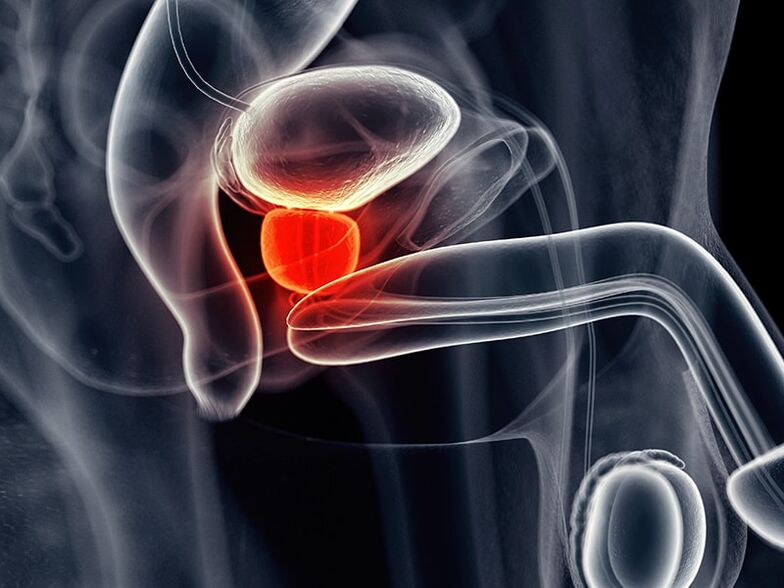
According to statistics, only 5% of cases are acute, and the remaining 95% are chronic prostatitis.It affects men of childbearing age and even young men aged 18-20 are susceptible to the disease.
Chronic prostatitis can occur for two reasons: infection and stagnation of blood in the pelvis.
InfectEnter the prostate from several aspects:
- Blood flow from foci of infection in the body - dental caries, pneumonia, inflammation of the maxillary sinuses, pustule formation,
- Lymph flow from nearby organs, such as from the intestines with hemorrhoids, dysbiosis,
- sexual
- Descending or ascending from an infected urethra - the bladder or urethra.
Inflammation of the prostate caused by sexually transmitted pathogens such as gonococcus, chlamydia, and Treponema pallidum requires special attention.The symptoms of this type of prostatitis and genital infection are similar to each other and can be "hidden" behind the signs of these diseases.This type of prostatitis is easily triggered.
Decreased immunity and hormonal imbalancesIn particular, it stimulates the development and spread of infection.
Non-infectious or congestive prostatitisThis condition occurs due to the violation of the blood and lymphatic outflow of the pelvis and the stagnation of prostatic fluid in the glandular ducts.
cause such phenomenaThe following factors:
- Sexual life disorders - long-term abstinence, behavioral disruption, unsatisfied desires,
- Smoking - Nicotine causes blood vessels to spasm and interferes with normal blood circulation,
- sedentary lifestyle,
- tight clothes,
- alcoholism.Alcoholic beverages irritate the walls of glandular ducts, causing them to become inflamed,
- constipate
Congestive prostatitis occurs 8 times more frequently than infectious prostatitis and rarely develops as a complication of acute inflammation of the prostate.
nonbacterial prostatitis
This type of disease is also known asChronic pelvic pain syndrome (CPPS).The main symptom was pelvic pain, but microbiological examination of urine and prostate secretions did not reveal pathogenic microorganisms.
Pain can be felt in varying degrees of severity and location.They spread to the perineum or bladder, genitals.The process of ejaculation is also painful.Urinary excretion and sexual problems also exist, but they are secondary.
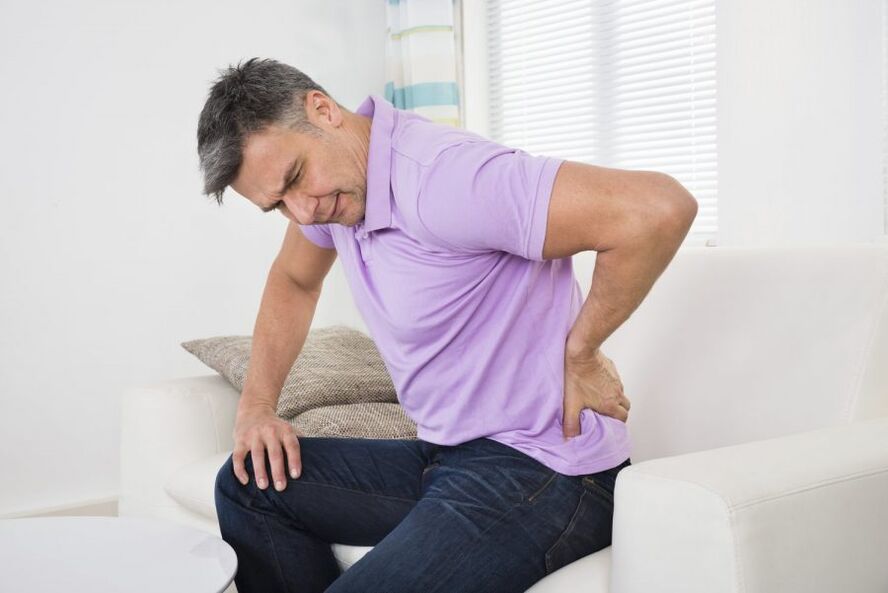
It is diagnosed if the pain lasts for 3 months or longer.
There are 2 types of CPPS:
- Inflammatory CPPS– An increased number of white blood cells is detected in urine and prostate secretions, which indicates inflammation.No microorganisms were detected.This inflammation occurs for a variety of reasons.On the one hand, this is possible because clean urine flows back from the urethra into the gland.Anatomical defects or impaired muscle contraction of the bladder, prostatic organ, and perineum promote this condition.Urine, or rather the urate in it, can cause inflammation of the prostate.On the other hand, it is believed that the culprit of this process is still a bacterium that has not been identified by classical methods.To identify them, molecular diagnostics should be used.The third reason is the autoimmune process in the body.
- Non-inflammatory CPPS– Analysis excludes leukocytosis and microorganisms.To establish a diagnosis, instrument diagnosis is used.It allows you to identify innervation problems or muscle changes in the prostate and other organs:
- Bladder neck - stricture or proliferation,
- Pelvic area – myalgia, muscle tension, interruption of nerve impulse pathways,
- urethra - narrowing, increased pressure,
- Prostate – Urine reflux, increased pressure.
oftenNeurological disorders present in patients with CPPS: Anxiety, irritability, and depressive tendencies.
bacterial prostatitis
Bacterial causes of chronic inflammation of the prostateMild discomfort begins when urinating.This includes mild pain, itching, or burning, and reduced stream flow.The urine changes color and develops an unpleasant odor.Unpleasant sensations can also disturb you during bowel movements.There is a dull dull pain in the perineum.
Appearsex life problems.At the beginning of the disease, they are situational: erections weaken or occur more frequently at night, ejaculation accelerates, orgasmic sensation is impaired.
Characteristic symptoms of this stage– Discharge from the urethra during defecation.
Symptoms of this sluggishness may last for a long time.Men may not notice them and blame everything on other causes.If left untreated, they progress and the chronic process worsens, and the intensity of the sensations increases.
Urinating becomes severely painful, the urge to go to the bathroom becomes more frequent.At some point, these manifestations weaken due to compensatory growth of the bladder muscles, then resume again with greater strength.
Pain in the perineum may also increase.It radiates to the lower back, pubic bone, legs, scrotum.The nature of the pain may also change: it may become stronger, more severe, and bother you at night.
Sexual dysfunction worsens and becomes permanent.Ejaculation is accompanied by pain, erection, and loss of libido.
Patients also experience increased sweating, including perineal sweating.The body temperature is slightly elevated – 37-37.5°.
Against the background of male sexual dysfunctionDevelopment of mental disorders.They become irritable, nervous, and may even become depressed.
Treatment of this stage of the disease reduces the intensity of symptoms, and the exacerbation phase moves into remission.
Other types of chronic prostatitis
have a conceptcalculus prostatitis.This disease is extremely rare and affects older men.It is characterized by the formation of stones composed of prostatic fluid, inflammatory exudates, and phosphates and calcium.
The symptom of this disease is pain, which has a typical localization of prostatitis.After sexual intercourse, they worsen with exercise.The presence of blood in the semen.There are other signs of glandular inflammation.
Stones are the result of long-term prostatitis or adenoma.
congestive prostatitisThere are bacterial and non-bacterial.It is characterized by mild symptoms:
- low fever,
- I have an uncomfortable feeling in my groin,
- urination problems,
- irritable,
- Sexual disorders.
There is also thisTypes of chronic prostatitis:
- autoimmunity– Development of immune diseases such as rheumatoid arthritis, systemic lupus erythematosus,
- hormonal malnutrition– Occurs due to hormonal imbalances, hormonal diseases (diabetes) and physiological aging of the body,
- plant blood vessels– Formed against the background of vegetative vascular dystonia.Causes blood circulation problems.
How to detect disease: Diagnosis
Diagnosed with chronic prostatitisThe method is the same as acute.
firstDoctor meets and examines patient.Examination is performed by digital rectal examination of the prostate.It may become enlarged, painful, asymmetrical, and hard.In rare cases (non-inflammatory CPPS), it does not change.
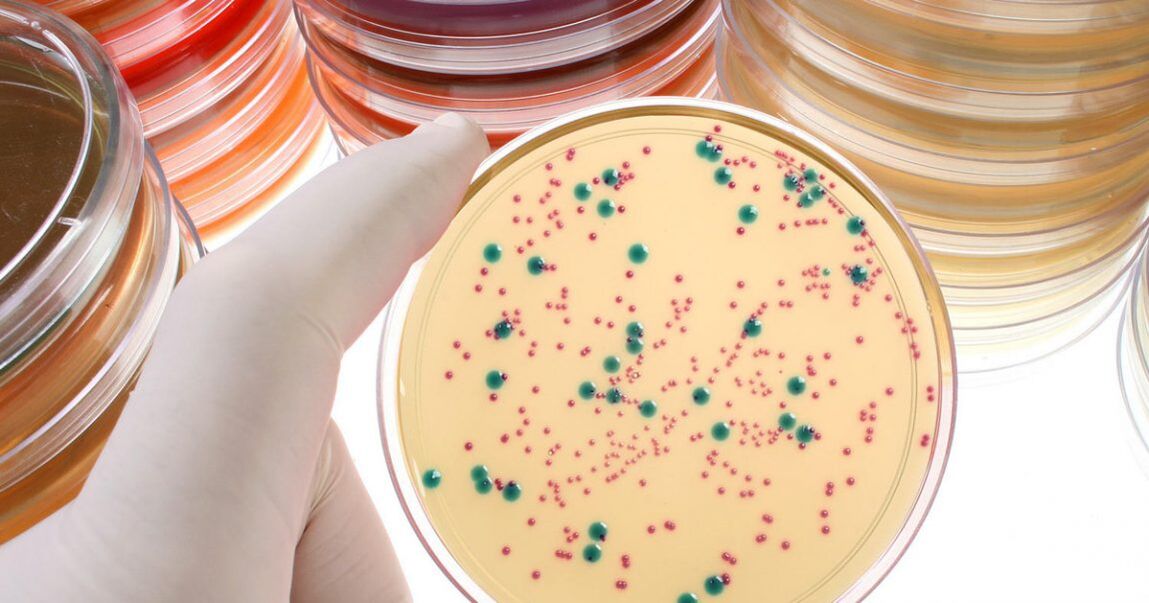
next doctorWill order test.Laboratory methods include general blood and urine testing and analysis of prostate secretions.They will show an increase in their white blood cell count.Bacteriological examination of urine and prostatic fluid revealed the causative agent.Sometimes these indicators may be normal but the process is still present.
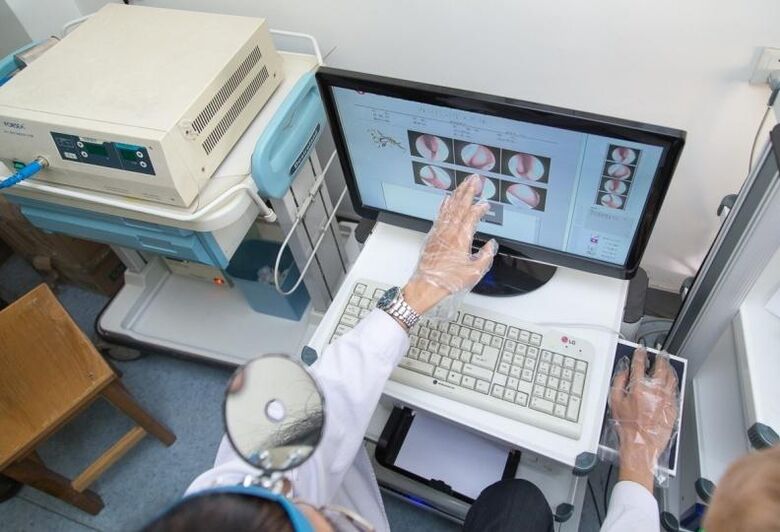
To confirm the fact of the disease, a PSA test is performed on the blood.Instrumental methods will also be helpful: ultrasound, TRUS, uroflowmetry.
Many times, a person does not suspect that he or she has the disease and ignores the symptoms.It was discovered accidentally during a system check.Therefore, it is recommended not to interfere with the system and not to neglect regular inspections.
drug treatment
First, for the treatment of chronic prostatitisAntibiotics were prescribed.Course duration is longer - 1-1.5 months.Before prescribing antimicrobial drugs, the type of pathogen and its susceptibility to the drug need to be determined.
RequiredUse immune corrective drugs, because reduced immunity is a common cause of inflammation.You can seek help from an immunologist.
Treatment of chronic inflammation of the prostateCan’t live without anti-inflammatory drugs.First, nonsteroidal medications are prescribed.They are used in the form of tablets or injections.If the desired results are not achieved, hormones are used.
alpha blockersWill help relieve muscle tension in the bladder and perineum.They work on symptoms, reducing pain and improving urination.
If unbearable pain occurs,Painkillers are related.
It is worth mentioning separately thatAbout the use of suppositories and other dosage forms.They are excellent for treating chronic prostate disease.In most cases, symptoms are mild and the gentle action of suppositories is enough to relieve symptoms.
They are inserted into the rectum.Its location close to the prostate allows you to get results quickly and efficiently.In addition, the harmful effects of tablets on the gastrointestinal tract and the difficulty of injection are eliminated.Suppositories have anti-inflammatory and analgesic effects on organs.
Physical therapy and other methods
In addition to medications, other treatments for chronic prostatitis are also used:
- Rectal prostate massage– Taken through the rectum.This procedure eliminates stagnation of prostatic fluid and enhances the effects of medications.Contraindicated in case of worsening condition and presence of stones in the prostate,
- Physical therapy can improve blood circulation and improve nutrition of the affected organs.Method usedUHF, electrophoresis, darsonvalizationand others.They only show up during the remission phase,
- Prostatitis not only affects men's organs, but also affects men's psychology.he may needHelp from a psychologist or psychotherapist,
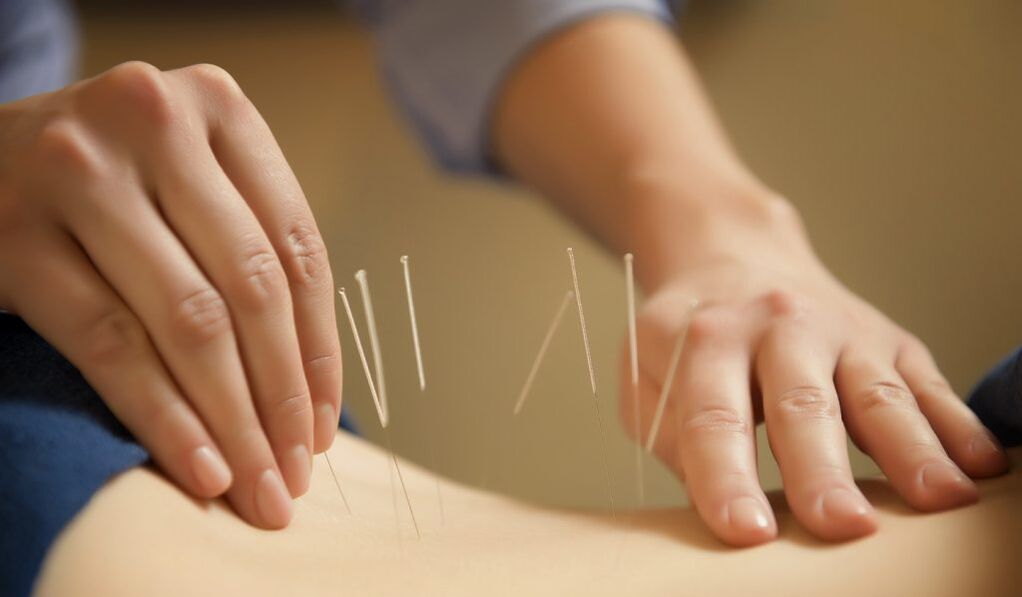
- AcupunctureIt is a common method for treating chronic prostatitis.This surgery affects the organs indirectly through acupoints,
- practise, such as squatting, walking, and jumping will increase blood circulation in the pelvis and eliminate congestion.
- Actively useBalneotherapy– Treat with mineral water.
Medication is an integral part of the treatment of chronic prostatitis.But they can cause many complications.And because the treatment of such diseases is long-term, some alternatives to such drugs have been found.Come to the rescuetraditional medicine.
The best among folk remedies for the treatment of prostatitis arepumpkin seeds.They contain high amounts of zinc, which is essential for men's health.The seeds can be eaten alone: 30 grams will replenish the daily requirements of essential trace elements.You can also grind them in a meat grinder and mix with honey, forming the resulting mixture into balls.They need to be stored in the refrigerator and consumed 1 piece before meals.
Drinking is very useful for prostate inflammationFreshly squeezed beet, carrot, cucumber and asparagus juices.The daily water intake should be at least 0.5 liters.
blueberryGreat for restoring the prostate.It contains a lot of beneficial substances, trace elements and vitamins.
In rare cases, when treating prostatitisMust resort to surgery.Its indications include lack of improvement with conservative treatment, as well as acute processes: prostatic abscesses and other purulent inflammations, acute urinary retention, glandular tissue proliferation, and benign and malignant formations.
Surgical treatment using a variety of methods: This can be partial removal of an organ, opening of an ulcer, removal of the foreskin or removal of an entire gland.
How to prevent the development of chronic prostatitis
prevent this diseaseCan be primary or secondary.
primary preventionTo prevent the disease from occurring, the following measures can be taken:
- maintain immunity,
- regular sexual activity,
- Physical exercise and moderate load.This is especially important for those with sedentary lifestyles,
- Avoid hypothermia,
- Prevent infection foci in the body,
- Prompt treatment of genitourinary system infections,
- Be sure to undergo routine physical examinations.
- Don't drink alcohol and smoke.
secondary preventionIncludes measures to prevent disease recurrence.For the first year after having prostatitis, men need to see a urologist every three months.Then – every 6 months.If the disease does not worsen, the patient is removed from pharmacy observation.
Excellent effect on preventing prostatitisHealth Resort Treatment Suitable for.Modern sanatoriums offer comprehensive programs of physiotherapy and balneotherapy as well as other natural resources.
importantAlso monitor your diet.The menu includes more vegetables and fruits and a variety of grains.You should also enrich your diet with fermented dairy products.Eating seafood can make up for zinc deficiency.
Avoid overly salty, spicy and smoked foods, and don't overuse spices.Legumes, fatty foods and flour products should be excluded.
Chronic prostatitis is a slow but long-term process.He is sinister and has complications.:
- Cystitis, pyelonephritis-urolithiasis,
- Seminal vesiculitis - inflammatory process in the seminal vesicles,
- Epididymo-orchitis is an inflammatory process of the testicles,
- Glandular atrophy,
- Infertility and impotence.
Disease treatment——quite a long process.But to protect your health and preserve your chances of having healthy offspring, it's worth going down this path.