


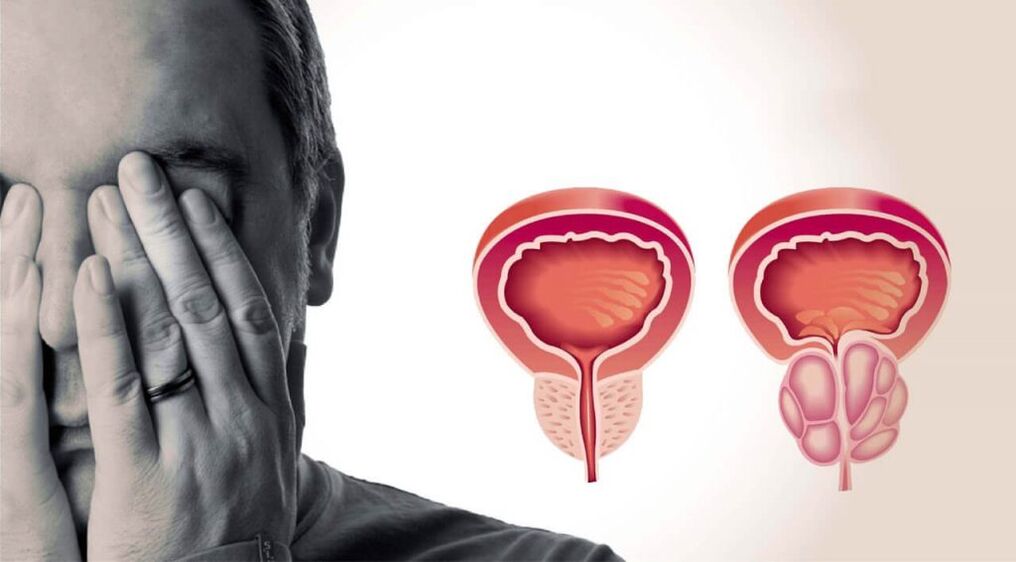
Prostatitis is an inflammatory process that occurs in the male prostate.The disease has unpleasant symptoms and is fraught with complications, one of which is infertility.But the capabilities of modern urology make it possible to identify prostatitis based on clinical manifestations and examination results, to promptly institute all necessary diagnostic and therapeutic procedures and to prevent complications.
factors causing disease
The pathogens of prostatitis are microorganisms: Pseudomonas aeruginosa, Staphylococcus aureus, Escherichia coli, etc.However, the following predisposing factors can cause the development of an acute inflammatory process or the recurrence of chronic prostatitis:
- Decreased immunity;
- low temperature;
- Urogenital organ damage;
- pressure;
- drinking alcohol and eating spicy food;
- Congestion in the pelvic area;
- constipate;
- Smoking and destructive substances chronically poison the body;
- sedentary lifestyle;
- The presence of chronic infectious lesions;
- STDs.
Prostatitis can occur in both acute and chronic forms.Men often refuse to contact a specialist when they experience the following typical symptoms:
- Pain during urination;
- Pus and mucus impurities in urine;
- Pain in the pubic bone and perineum, worsened during urination, defecation, and sexual intercourse;
- Urine leaks in a thin stream;
- Increased body temperature.
All these signs point to an acute inflammatory process in the pelvic area.But only experienced experts know how to recognize prostatitis in men and prevent dangerous complications.For this purpose, it is necessary to utilize all the capabilities of modern laboratory and instrumental diagnostics.Based on an examination including prostate ultrasound and rectal examination, an accurate diagnosis can be made and further treatment strategies determined.
Disease type and symptoms
It is important not to waste time and start treatment as soon as the first manifestations of the disease are detected.They may also be accompanied by decreased interest in intimate relationships, insomnia, inner fears and worries, as well as symptoms characteristic of the diseases that often cause impotence (diabetes, decreased testosterone levels, vascular diseases).Experts should know the causes of prostatitis.
Acute and chronic prostatitis
Acute prostatitis manifests as systemic poisoning, with fever syndrome and elevated body temperature.Severe symptoms of prostatitis: pain in the groin, rectum, and perineum.A man noticed a frequent urge to urinate and pain after urinating.Emptying the bladder may be difficult, and sometimes acute urinary retention may occur.White purulent discharge often occurs in the urethra.Sexual dysfunction and loss of sexual desire often occur.
Chronic prostatitis is less obvious.It occurs in waves, followed by long periods of remission.Even mild hypothermia or a cold can trigger a recurrence.Prostatitis is diagnosed by the patient's clinical presentation and complaints, as well as by rectal examination, during which swollen glands and severe pain are noted.
bacterial prostatitis
Young and middle-aged men often suffer from chronic diseases of the urogenital system, including bacterial urinary diseases, which result from the mixing or inappropriate treatment of infectious and inflammatory processes in the kidneys, bladder, and prostate.This creates an unfavorable background and may lead to worsening of male sexual health.
Bad habits have an extremely negative impact on sexual desire and erections.Alcohol abuse and smoking reduce the tone of blood vessel walls, leading to impaired circulation to the genitourinary organs.To solve the problem of poor erection, a comprehensive approach is required, choosing antibiotic treatment to eliminate any hidden urogenital infections.
nonbacterial prostatitis
This type of prostatitis affects most men.Chronic prostatitis of non-bacterial causes is called chronic pelvic pain syndrome, and its occurrence is caused by a variety of causes and predisposing factors.
- Reflux of urine.As urine penetrates into the prostate tissue, an inflammatory process occurs.This occurs due to high urinary pressure during bladder emptying (when semen becomes stagnant in the urethra) and changes in the prostate ducts.
- Sexual intercourse is of poor quality.
- Long term abstinence.
Chronic pelvic pain syndrome presents as a long-term pain syndrome with localized pain in the pelvis, lower back, and perineum.Men experience pain when urinating, decreased sexual desire, and increased urge to empty the bladder.In the chronic stage of the disease, there are no signs of inflammation in semen, urine, and prostate secretions.
This type of chronic prostatitis can be treated with antibiotics, alpha-blockers, and anti-inflammatory drugs.Use hormonal medications and herbal anti-inflammatory preparations.Medication can last up to 4 weeks.
Along with drug treatment, use the following effective treatments:
- Prostate Massage Course;
- relaxation techniques;
- Effects on biologically active points in the body (acupuncture);
- Surgical treatment (if the above methods fail).
asymptomatic prostatitis
Asymptomatic prostatitis has no obvious symptoms.Men sometimes complain of dull pain in the pubic area, lower back, and urinary system problems.
The disease has the following predisposing factors:
- periodic hypothermia;
- Untimely urination;
- abstinence;
- lack of physical activity;
- Urethritis, pyelonephritis;
- Smoking and drinking.
During exacerbations, signs of resolved prostatitis become more apparent.Worsening of pain and urinary problems.
Prostatitis diagnostic service fee
At various clinics, you can quickly receive a comprehensive examination and evaluate the condition of the male genitourinary system.Professional experts know exactly how to treat prostatitis and help patients cope with the unwanted symptoms of the disease.The clinic is equipped with innovative equipment that allows you to obtain complete and reliable information about the condition of your prostate and nearby organs.